
• Crain Hyundai Of Fayetteville

Blog / Crain Hyundai of Fayetteville

2026 Hyundai Elantra vs 2026 Honda Civic in Fayetteville, AR

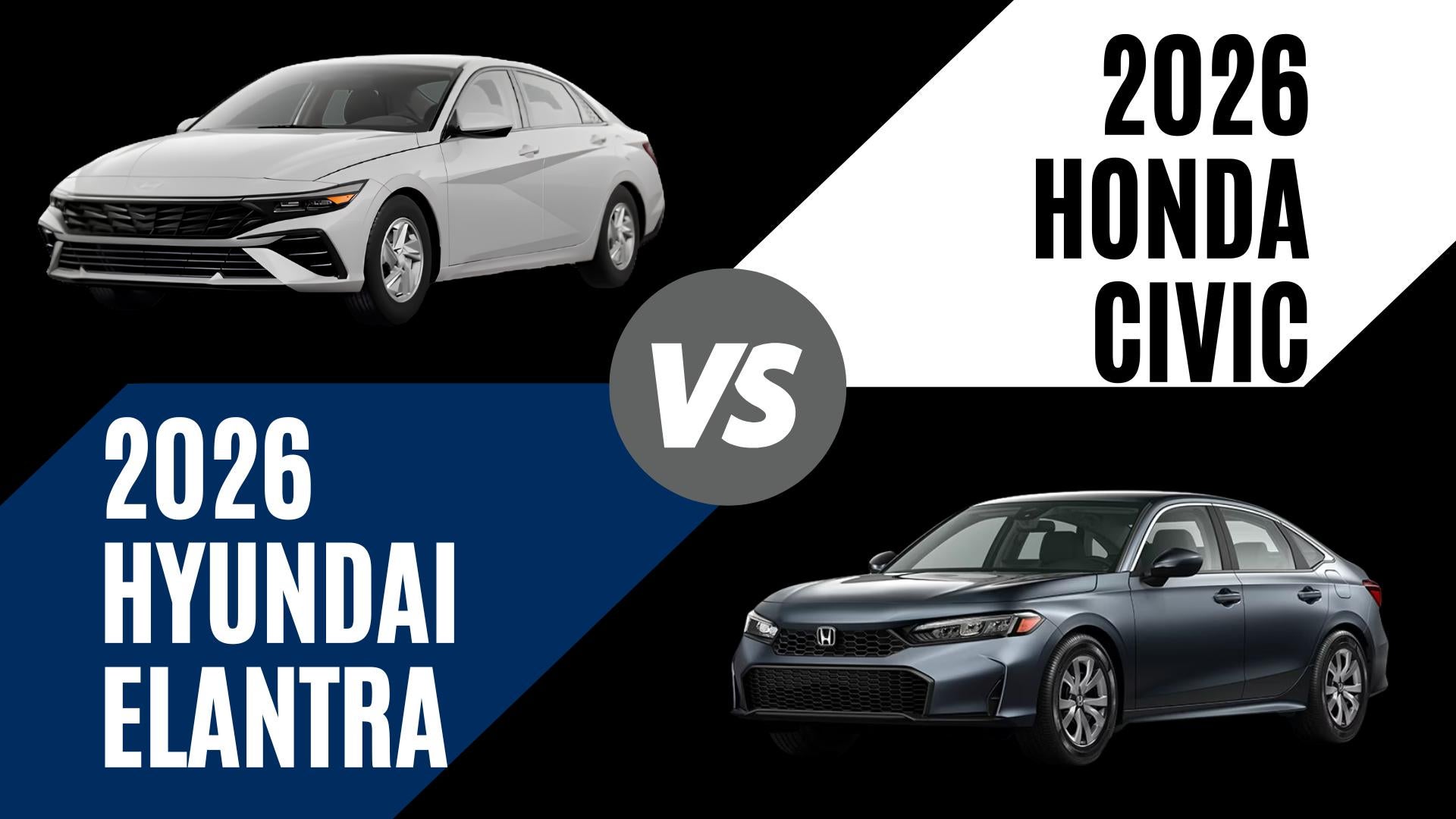
2026 Hyundai Elantra and Honda Civic comparison highlighting fuel economy, technology, and compact sedan comfort in Fayetteville, Arkansas

Comparing Two Compact Sedans Built for Everyday Driving

Compact sedans remain a smart choice for drivers focused on fuel efficiency, affordability, and daily practicality. The Hyundai Elantra and Honda Civic both continue standing out in this segment, although each sedan approaches comfort, technology, and long-term value a little differently.

Anyone comparing the 2026 Hyundai Elantra vs Honda Civic in Fayetteville, AR will notice these sedans prioritize efficient commuting and modern features without sacrificing everyday usability. This comparison focuses primarily on the gas-powered versions of both models, while also recognizing that each lineup offers hybrid options for drivers wanting additional fuel savings.

For shoppers researching compact sedans, the Elantra continues offering a strong combination of efficiency, technology, and ownership value.

Drivers exploring Hyundai sedans can also compare how the Elantra stacks up against other popular commuter-focused vehicles, like the Toyota Corolla.

Vehicle Comparison

2026 Hyundai Elantra
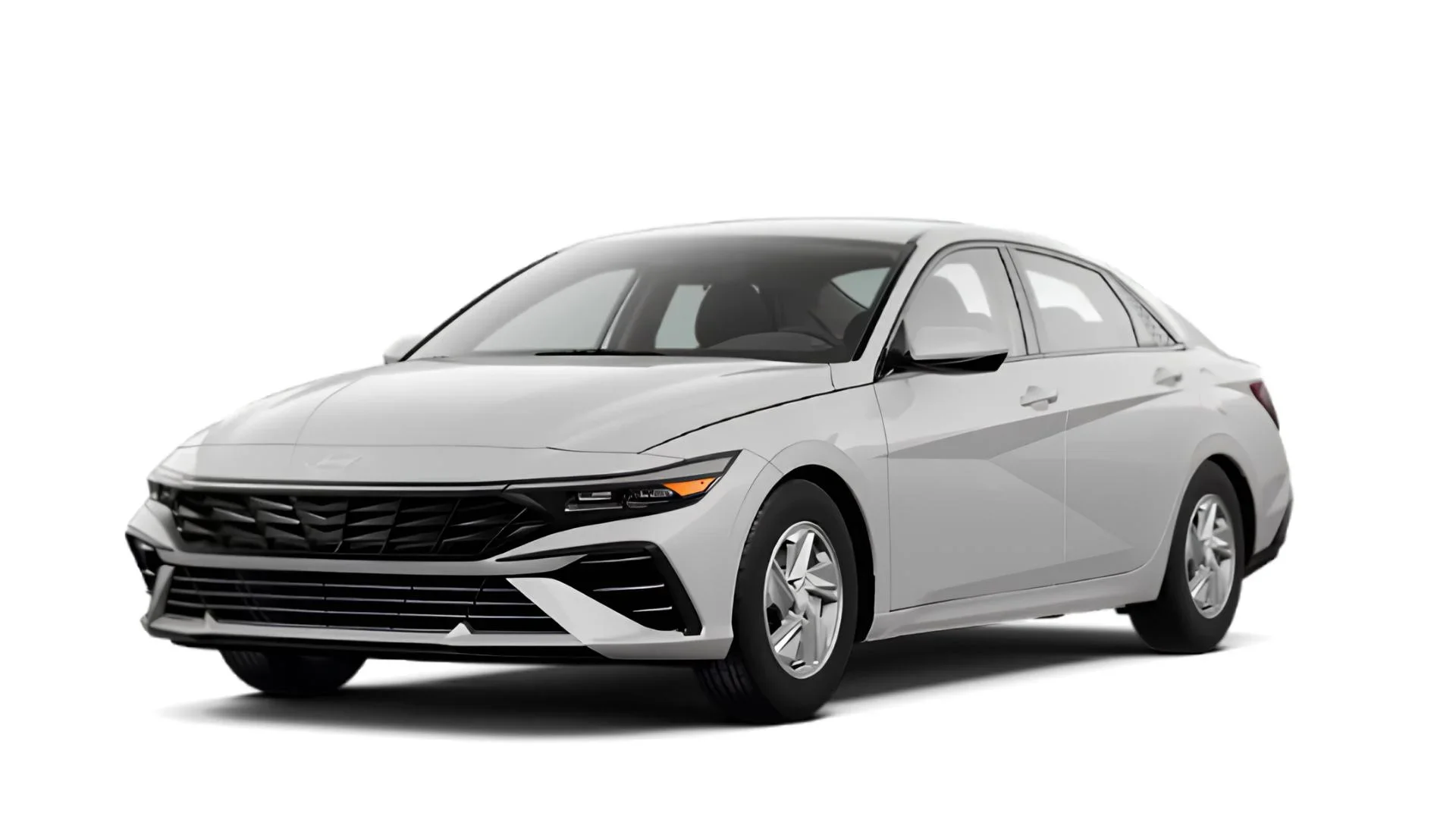
2026 Hyundai Elantra at Crain Hyundai of Fayetteville
Horsepower
147 hp
AWD Availability
None
Fuel Economy / Range
Up to 31/40 mpg (city/hwy)
Seating Capacity
5
Top Features
  • Dual 10.3-inch Displays
  • Hyundai SmartSense
  • 10-Year Powertrain Warranty

2026 Honda Civic
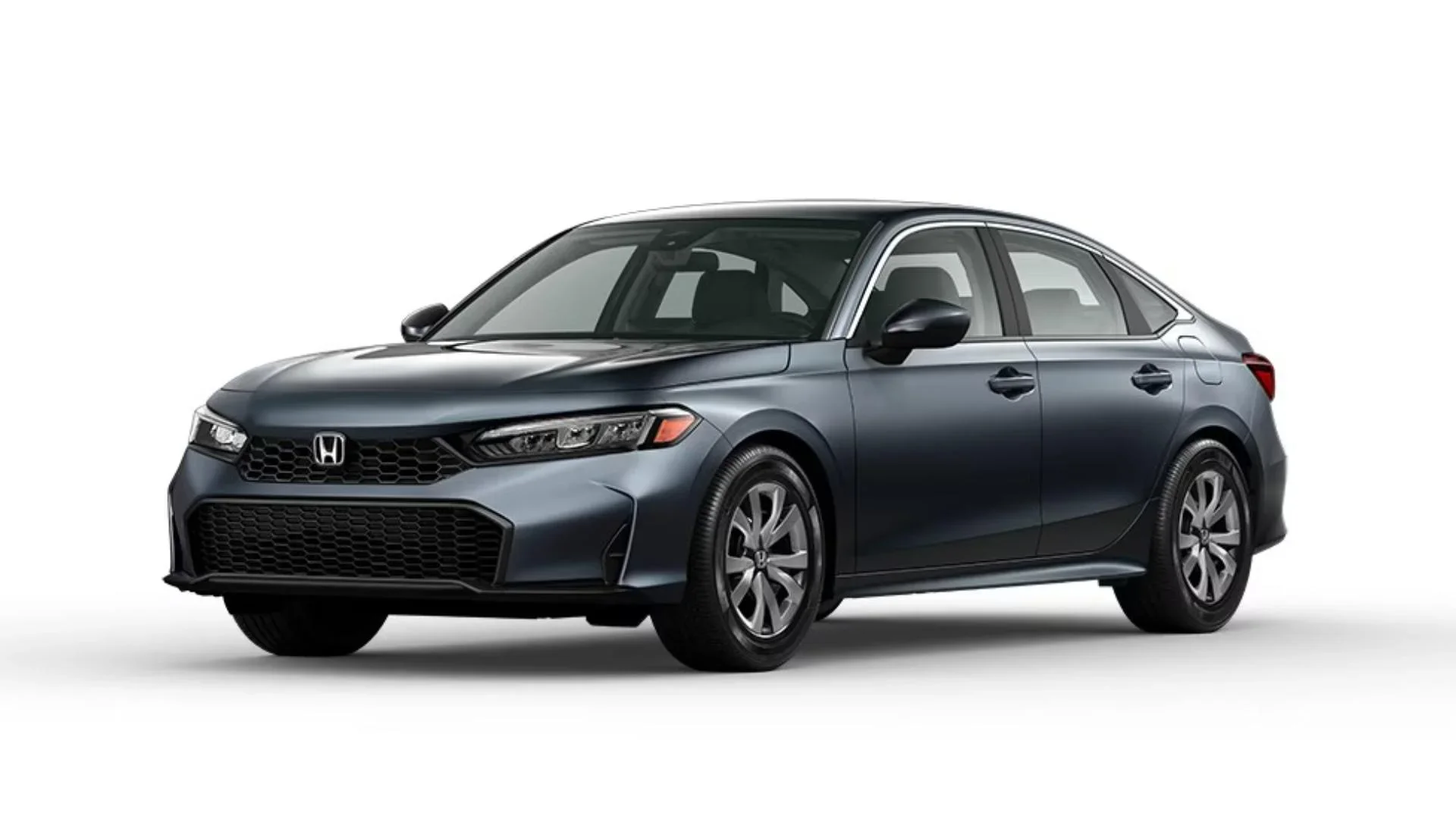
Honda Civic at Crain Hyundai of Fayetteville
Horsepower
150 hp
AWD Availability
None
Fuel Economy / Range
Up to 36 combined mpg (city/hwy)
Seating Capacity
5
Top Features
  • Honda Sensing
  • Available 9-inch Touchscreen
  • Flexible Interior Space

Hyundai Gives the Elantra a More Distinctive Design

These sedans take noticeably different approaches to styling.

Sharp character lines, angular lighting elements, and a more aggressive overall profile help the Elantra stand out visually. Hyundai also gives the cabin a driver-oriented layout that feels modern without becoming overly complicated.

Honda keeps the Civic more understated with smoother body lines and a cleaner overall appearance. The design feels practical and familiar, appealing to drivers who prefer simplicity over bold styling.

Both sedans remain easy to maneuver and practical for commuting, although the Elantra creates a stronger visual impression.

Design highlights worth comparing:

  • Elantra: bold styling with a driver-focused interior
  • Civic: clean and straightforward design
  • Both: compact sedans with seating for five

The Civic Feels Sportier While the Elantra Prioritizes Comfort

Driving personality becomes one of the clearest differences between these sedans.

The Elantra focuses more heavily on smooth commuting comfort and balanced road manners. While acceleration from the base engine remains modest, the overall driving experience feels composed and easygoing during both city driving and highway travel.

Honda gives the Civic more responsive steering and slightly sportier handling characteristics, helping it feel more engaging around curves and during quick lane changes.

For many drivers, however, the Elantra’s smoother ride quality may feel more relaxing during longer commutes and everyday driving.

Hyundai continues emphasizing convenience-focused driving technology across its sedan lineup.

Driving comparison highlights:

  • Elantra: smooth ride quality and comfortable commuting manners
  • Civic: nimble handling and responsive steering feel
  • Both: practical compact sedans for daily driving

Interior Space Remains Strong for Both Sedans

Passenger comfort and cabin usability remain important strengths for both models.

The Elantra offers impressive passenger room for a compact sedan, especially in the rear seat. Cargo space also remains practical for groceries, luggage, and daily errands.

Honda gives the Civic a roomy cabin layout with flexible storage areas and straightforward controls that help keep the interior user-friendly.

The Elantra’s interior presentation feels slightly more modern overall, thanks to its dashboard design and available digital display layout.

Interior highlights worth comparing:

  • Elantra: spacious cabin with modern dashboard layout
  • Civic: practical interior with flexible storage space
  • Both: comfortable seating for five passengers

Hyundai Delivers a More Advanced Technology Experience

Technology plays a major role in how modern compact sedans feel during everyday use.

Available dual 10.3-inch displays help give the Elantra a cleaner and more upscale interior presentation by combining infotainment and digital gauge displays into one modern layout.

The Civic comes standard with a 7-inch touchscreen, while higher trims upgrade to an available 9-inch display.

Hyundai also continues to expand connected technology and infotainment features across its lineup.

Technology comparison highlights:

  • Elantra: available dual 10.3-inch displays
  • Civic: available 9-inch touchscreen
  • Both: smartphone connectivity and modern infotainment systems

Both Sedans Include Strong Safety Technology

Modern driver-assistance systems remain a priority in this segment.

Hyundai continues earning recognition for advanced safety systems across its lineup. The Elantra includes Hyundai SmartSense safety technology with features like lane-keeping assistance, driver attention warning, and available adaptive cruise control depending on trim level.

Honda equips every Civic with Honda Sensing driver-assistance technology, including adaptive cruise control and lane-keeping assistance as standard equipment.

Safety comparison highlights:

  • Elantra: Hyundai SmartSense safety technology
  • Civic: Honda Sensing driver-assistance features
  • Both: advanced safety and driver-assistance systems

Fuel Economy Remains Competitive Between Both Sedans

Efficiency continues playing a major role for compact sedan buyers.

Gas-powered Elantra models achieve up to 31 MPG in the city and 40 MPG on the highway, helping make the sedan highly practical for commuting and highway travel. Hybrid Elantra models also remain available for drivers wanting additional efficiency.

The Civic reaches up to 36 MPG combined, depending on trim and configuration, giving Honda strong overall fuel economy ratings in this segment.

Both models offer hybrid variants in addition to the gas-powered versions compared here, giving shoppers additional flexibility depending on their driving habits.

Hyundai continues offering several fuel-efficient vehicles designed for daily commuting and long-distance driving.

Efficiency highlights worth comparing:

  • Elantra: strong highway MPG and available hybrid option
  • Civic: competitive combined fuel economy
  • Both: efficient compact sedans for commuting

Hyundai Continues Offering Stronger Ownership Coverage

Long-term ownership costs can become just as important as fuel economy.

One area where the Elantra stands apart is Hyundai’s extended warranty coverage and complimentary maintenance program. Those benefits help reduce ownership costs and provide additional peace of mind during long-term ownership.

Honda offers solid reliability and standard warranty coverage, although it does not match Hyundai’s level of ownership support.

Hyundai warranty coverage continues to stand out among mainstream automotive brands as America’s Best Warranty.

Ownership value highlights:

  • Elantra: longer warranty and complimentary maintenance
  • Civic: strong reliability reputation
  • Hyundai: stronger long-term ownership benefits

Which Compact Sedan Fits Fayetteville Drivers Better?

The Honda Civic remains a strong option for drivers who prioritize sporty handling and balanced road manners.

For many Fayetteville-area drivers, however, the Hyundai Elantra delivers a more complete overall package thanks to its modern technology, spacious interior, strong fuel economy, and long-term ownership benefits. Its available dual-screen setup, hybrid flexibility, and industry-leading warranty coverage help the Elantra stand out in the competitive compact sedan segment.

Ready to experience the Hyundai Elantra in person? Visit Crain Hyundai of Fayetteville to explore available trims and features today.

FAQs

Q: Does the Hyundai Elantra offer a hybrid option?
A: Yes. Hyundai offers an available Elantra Hybrid model for drivers wanting additional fuel efficiency.

Q: Which sedan offers the larger available display setup?
A: The Hyundai Elantra offers available dual 10.3-inch displays that combine infotainment and digital gauges into one modern layout.

Q: Which compact sedan offers stronger warranty coverage?
A: The Hyundai Elantra includes Hyundai’s 10-year/100,000-mile powertrain warranty along with complimentary maintenance coverage.
Posted in:

Related Posts

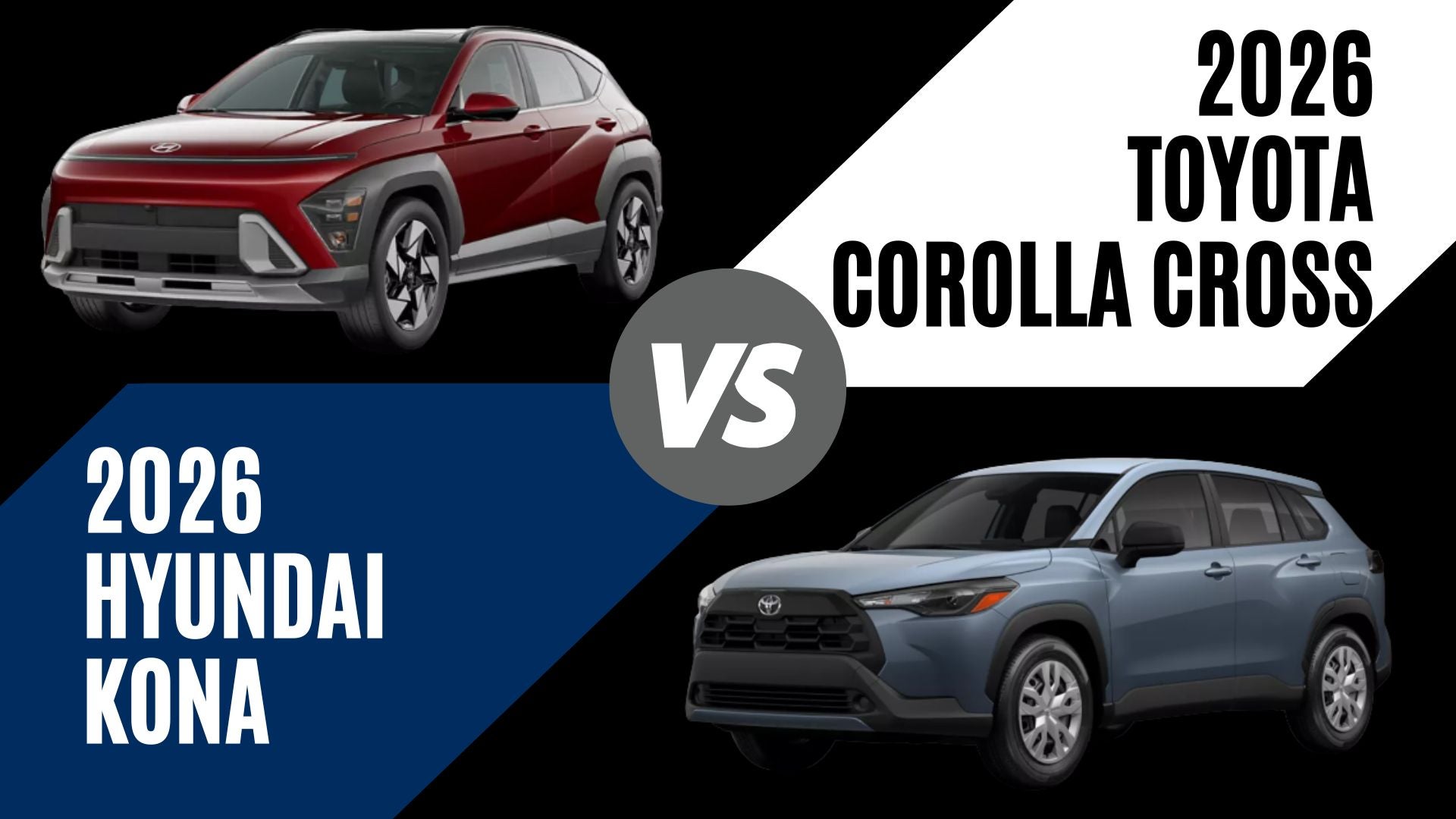
2026 Hyundai Kona and 2026 Toyota Corolla Cross subcompact SUVs compared side by side for Fayetteville, Arkansas drivers

2026 Hyundai Kona vs 2026 Toyota Corolla Cross: Best Value Subcompact SUV for Fayetteville Drivers

Fayetteville shoppers looking for a subcompact SUV that doesn't stretch the budget usually end up comparing the 2026 Hyundai Kona and the 2026 Toyota Corolla Cross. Both are built around the same idea: real SUV usability without the price tag of a larger vehicle. Where they diverge is in the details, and those details matter once you're living with the vehicle day to day. Full details on the 2026 Hyundai Kona are available on the model research page. This comparison covers the gas-powered Corolla Cross only. Toyota also builds a Corolla Cross Hybrid, which isn't included in the specs or chart data below. Vehicle Comparison 2026 Hyundai Kona Horsepower 147 hp AWD Availability Available Fuel Economy / Range 29/34 mpg (city/hwy) Seating Capacity 5 Top Features 12.3" Touchscreen w/ Wireless CarPlay & Android Auto Standard Stop-and-Go Adaptive Cruise Control Standard Blind-Spot Monitoring Find Your Kona Today 2026 Toyota Corolla Cross Horsepower 169 hp AWD Availability Available Fuel Economy / Range 31/33 mpg (city/hwy) Seating Capacity 5 Top Features Standard CarPlay, Android Auto & SiriusXM Standard Adaptive Cruise Control; Standard Lane-Departure Warning w/ Accident Avoidance Search Our Used Inventory Styling and First Impressions Hyundai gave the second-generation Kona a bold, angular look that draws attention, especially in eye-catching colors like Neoteric Yellow or Soultronic Orange. The Corolla Cross plays it safer, leaning on the same inoffensive, dependable styling that's made the Corolla nameplate a familiar sight on Fayetteville roads for decades. Styling Snapshot: Kona: bold, distinctive exterior design with standout color options Corolla Cross: understated styling that mirrors the Corolla sedan and hatchback Both: compact footprints built for easy city and campus driving Ride and Everyday Drivability Toyota's Corolla Cross uses a single 169-hp 2.0-liter four-cylinder paired with a CVT, with front-wheel drive standard and all-wheel drive available. It's adequate around town but turns coarse and buzzy under harder acceleration, reaching 60 mph in 9.2 seconds in all-wheel-drive testing. The Kona offers more range here: a 147-hp 2.0-liter base engine, or an optional 190-hp turbocharged 1.6-liter paired with a smooth-shifting eight-speed automatic. All-wheel drive is available across every Kona trim, and the turbocharged version reached 60 mph in a notably quicker 7.5 seconds during testing. Behind the Wheel: Kona: optional turbo engine delivers real everyday punch Corolla Cross: single-engine option that feels adequate but unhurried Kona offers a meaningfully quicker, more engaging drive with its turbo powertrain Interior and Cargo Room The Kona's cabin feels roomy for its class, with comfortable outboard seating in the second row and a cargo hold that fits seven carry-on suitcases behind the rear seats, expanding to 20 with them folded down. Top trims add wireless phone charging, heated and ventilated seats, and leatherette upholstery. Toyota's Corolla Cross shares its cabin design with the Corolla sedan and hatchback, and while lower trims stay basic, the XLE trim adds faux-leather upholstery, heated front seats, and a rear-seat center armrest. Cargo capacity measures 24 cubic feet, and testing found room for seven suitcases behind the second row and 19 with the seats folded. Cargo and Comfort Breakdown: Kona: 20 suitcases with rear seats folded, plus available ventilated front seats Corolla Cross: 19 suitcases with rear seats folded, plus a genuinely larger 24-cubic-foot cargo hold Both: comfortable seating for five with real day-to-day practicality Technology and Connectivity Every Kona comes standard with a 12.3-inch touchscreen and wireless Apple CarPlay and Android Auto, paired with a digital gauge cluster that grows to 12.3 inches on SEL Premium and Limited trims. Hyundai's convenience tech extends further with Digital Key 2, letting a compatible smartphone unlock and start the vehicle. The Corolla Cross comes standard with an 8-inch touchscreen, growing to a new 10.5-inch display on the XLE trim for 2026. Apple CarPlay, Android Auto, and SiriusXM satellite radio are standard equipment, along with a six-speaker stereo, though wireless connectivity isn't specified as standard the way it is on the Kona. Tech Rundown: Kona: larger standard touchscreen with wireless smartphone connectivity across the lineup Corolla Cross: smaller standard screen, growing to 10.5 inches only on the top trim Kona offers more consistent, higher-spec tech regardless of trim level Safety and Driver-Assistance Features Both vehicles come well equipped with standard safety technology, but the Kona pulls ahead in a few key areas. Every Kona includes standard stop-and-go adaptive cruise control, lane-centering assist, and blind-spot monitoring, along with forward-collision warning and automated emergency braking. The Corolla Cross counters with its own standard suite: automated emergency braking with pedestrian detection, lane-departure warning with an accident avoidance system, adaptive cruise control, and road sign assist. Fayetteville drivers can see how Hyundai's broader safety record stacks up in the brand's latest recognition. Safety Stand-Outs: Kona: standard blind-spot monitoring included across every trim Corolla Cross: standard road sign assist and accident avoidance system Both: standard adaptive cruise control and automated emergency braking Power, AWD, and Fuel Economy The Kona's base 147-hp engine returns up to an EPA-estimated 29 mpg city and 34 mpg highway, while the turbocharged 190-hp all-wheel-drive version comes in at 25 mpg city and 28 mpg highway, with real-world highway testing reaching 31 mpg. Hyundai does not recommend towing with the Kona. The Corolla Cross earns an EPA-estimated 31 mpg city and 33 mpg highway with front-wheel drive, dropping to 29 mpg city and 31 mpg highway with all-wheel drive added. Fuel economy leans toward the Corolla Cross in its base form, though the Kona's optional turbo engine delivers meaningfully stronger performance for drivers willing to trade a little efficiency for more power. A Note on Hybrid and Electric Options Every figure above reflects the gas-only Corolla Cross, so no hybrid specs are included in this comparison. Toyota does offer a Corolla Cross Hybrid separately, which reached 60 mph in a notably quicker 7.3 seconds in prior testing. For 2026, the Kona is offered exclusively as a gas-powered SUV, with no hybrid or electric variant currently in the lineup. Hyundai's broader electrified lineup has still earned real recognition, including a recent Fayetteville-area spotlight, for drivers curious what else the brand offers beyond gas power. Ownership Value Hyundai backs the Kona with a five-year, 60,000-mile limited warranty, a ten-year, 100,000-mile powertrain warranty, and three years or 36,000 miles of complimentary scheduled maintenance. Toyota's coverage on the Corolla Cross is considerably shorter: a three-year, 36,000-mile limited warranty, a five-year, 60,000-mile powertrain warranty, and two years or 25,000 miles of complimentary maintenance. Fayetteville drivers can review the specifics in Hyundai's warranty coverage. Coverage Comparison: Kona: doubles the Corolla Cross's powertrain warranty coverage Corolla Cross: shorter limited and powertrain terms, with less complimentary maintenance Kona holds a clear, decisive advantage for high-mileage drivers Why the Kona Is the Smarter Choice in Fayetteville Both the Kona and Corolla Cross deliver genuine value in the subcompact SUV class, but the Kona pulls ahead where it counts most: a quicker, more capable optional powertrain, more consistent tech across trims, stronger standard safety features, and a warranty program that isn't a close call. For Fayetteville drivers who want more capability and better long-term coverage without stepping up in price, the Kona is the clear recommendation. Stop by Crain Hyundai of Fayetteville to see current inventory and financing options in person. FAQs Does the Kona offer a more powerful engine option than the Corolla Cross? Yes, the Kona's optional 190-hp turbocharged engine outperforms the Corolla Cross's single 169-hp engine, reaching 60 mph nearly two seconds quicker in testing. Is all-wheel drive available on both the Kona and Corolla Cross? Yes, both SUVs offer all-wheel drive as an available upgrade over their standard front-wheel-drive setup. How does the Kona's warranty compare to the Corolla Cross's coverage? The Kona includes a ten-year, 100,000-mile powertrain warranty and three years of complimentary maintenance, both of which extend well beyond the Corolla Cross's five-year powertrain coverage and two years of maintenance.

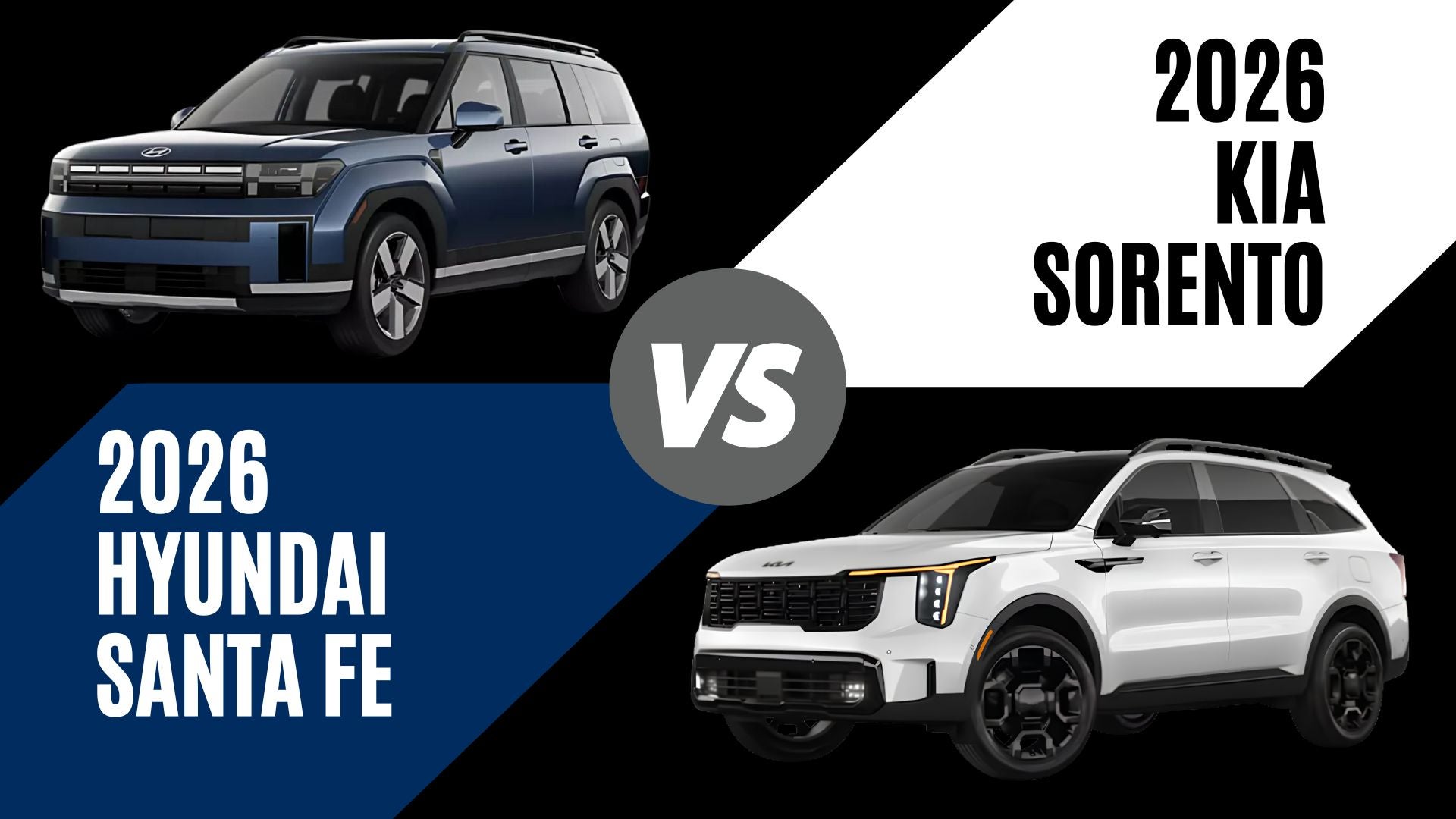
2026 Hyundai Santa Fe and 2026 Kia Sorento midsize three-row SUVs compared side by side for Fayetteville, Arkansas drivers

2026 Hyundai Santa Fe vs 2026 Kia Sorento: Which Midsize 3-Row SUV Fits Fayetteville Families?

Families across Fayetteville, Arkansas cross-shopping midsize three-row SUVs often land on two strong contenders: the 2026 Hyundai Santa Fe and the 2026 Kia Sorento. Both seat up to seven and are priced to compete rather than intimidate. But the way they go about their business is different enough that it's worth a closer look before deciding which one belongs in your driveway. Full trim-by-trim specs are available on the 2026 Hyundai Santa Fe research page. Vehicle Comparison 2026 Hyundai Santa Fe Horsepower 277 hp (turbocharged 2.5L I4) AWD Availability Available Fuel Economy / Range 20/29 (FWD); 20/28 (AWD) mpg (city/hwy) Seating Capacity Up to 7 (6 with optional captain's chairs) Top Features Dual 12.3-in displays w/ UV-C tray Nappa leather trim options New 2026 8-speed automatic Towing Capacity 3,500 lbs (4,500 lbs on XRT) Find Your Santa Fe Today 2026 Kia Sorento Horsepower 191 hp standard/281 hp turbo (2.5L I4) AWD Availability Available Fuel Economy / Range 23/31 (base); 20/29 (turbo) mpg (city/hwy) Seating Capacity Up to 7 (6 with optional captain's chairs) Top Features Panoramic Dual-Screen Display Bose Premium Audio System Choice of Two Engine Outputs Towing Capacity 4,000 lbs (X-Pro trim) Search Our Used Inventory Design and Styling The Santa Fe leans into a boxy, almost architectural look that reads more expensive than its price tag suggests, with a large tailgate and a cabin that borrows cues from luxury brands. The Sorento takes a more traditional SUV approach, with a clean dashboard bookended by upright air vents and ambient lighting that gives the cabin a warm, upscale feel at night. Both deliver a level of design polish that stands out in this price range, without leaning on flash to do it. Styling Snapshot: Santa Fe: bold, boxy exterior with a premium-feeling cabin Sorento: classic SUV proportions with tasteful interior lighting touches Both: styling that reads a class above their price point Ride, Handling, and Everyday Drivability Under the hood, every non-hybrid Santa Fe uses a 277-hp turbocharged 2.5-liter four-cylinder paired with a new-for-2026 eight-speed torque-converter automatic, replacing the outgoing dual-clutch unit for smoother everyday shifting. The Sorento offers a choice between a 191-hp 2.5-liter four-cylinder engine and a 281-hp turbocharged 2.5-liter engine, both mated to an eight-speed automatic. In testing, the turbocharged Sorento delivered poised handling and firm brakes, though its off-the-line throttle response left something to be desired. The Santa Fe, meanwhile, prioritizes a soft, quiet ride over sharp cornering, with some body roll but confident steering weight. Behind the Wheel: Santa Fe: one strong engine, tuned for comfort over sportiness Sorento: two engine choices, with the turbo edging out the Santa Fe slightly on paper Both: eight-speed automatics tuned for daily comfort over aggressive shifting Interior and Passenger Space Both SUVs seat up to seven with a second-row bench, or six with available second-row captain's chairs. The Santa Fe's third row fits kids and smaller adults comfortably, and Hyundai rates cargo space at 14.6 cubic feet behind the third row, enough for five carry-on suitcases in real-world testing. The Sorento's third row is tighter for adult passengers, and its cargo area held just two carry-on suitcases with the third row up. Where the Sorento pulls ahead is interior detailing, with stitched surfaces and thoughtful cubby storage that give it a genuinely inviting cabin. Cargo and Comfort Breakdown: Santa Fe: more usable cargo room behind the third row Sorento: tighter third row, but a nicely finished cabin Both: seating flexibility with bench or captain's chair second rows Santa Fe holds a clear edge on third-row and cargo livability Technology and Connectivity The Santa Fe pairs two 12.3-inch displays with wireless Apple CarPlay and Android Auto, an optional dual wireless charging pad, and a UV-C sterilization compartment for phones and small items. Physical knobs for climate and volume remain, which drivers who dislike touch-only controls will appreciate. Learn more about Hyundai's SmartSense features, which extend into the Santa Fe's convenience tech as well. The Sorento answers with a curved, panoramic dual-screen setup, a 12.3-inch touchscreen, an available wireless charging pad, a 12-speaker Bose stereo, and an optional rear-seat entertainment system, features that make longer family trips easier to manage. Tech Highlights: Santa Fe: dual 12.3-inch screens plus a UV-C sanitizing tray Sorento: panoramic dual-screen layout with an available rear entertainment system Both: wireless Apple CarPlay and Android Auto standard Safety and Driver-Assistance Features Both SUVs come well-equipped here. The Santa Fe includes standard forward-collision warning with automated emergency braking, adaptive cruise control with stop-and-go capability, and lane-keeping assist. The Sorento matches much of that with standard automated emergency braking that includes pedestrian and cyclist detection, standard lane-keeping assist, and available adaptive cruise control with lane centering. Fayetteville drivers can read more in Hyundai's recent safety recognition, which reflects the kind of standard protection found across the Santa Fe lineup. Safety Stand-Outs: Santa Fe: standard stop-and-go adaptive cruise across the range Sorento: added pedestrian and cyclist detection built into its standard automated braking Both: standard automated emergency braking and lane-keeping assist Power, AWD, and Fuel Economy The Santa Fe's 277-hp turbo four is available with front-wheel drive or all-wheel drive, returning an EPA-estimated 20 mpg in the city and 29 mpg on the highway in front-wheel-drive form, or 20 mpg city and 28 mpg highway with all-wheel drive. Towing checks in at 3,500 pounds with trailer brakes, or 4,500 pounds on the XRT trim. The Sorento is also offered with front- or all-wheel drive, with the base 191-hp engine rated at 23 mpg city and 31 mpg highway, and the 281-hp turbo rated at 20 mpg city and 29 mpg highway. Maximum towing on the Sorento reaches 4,000 pounds in X-Pro trim. Both are closely matched, with the Sorento's base engine offering a mild fuel economy edge and the Santa Fe offering a bit more available towing muscle. A Note on Hybrid and Plug-In Options This comparison focuses on the gas-only Santa Fe and Sorento, so no hybrid or plug-in specs are mixed into the figures above. Buyers cross-shopping these two should know both automakers offer electrified alternatives. Hyundai builds a Santa Fe Hybrid alongside the standard model, and Kia offers both a Sorento Hybrid and a Sorento Plug-In Hybrid for drivers who want more from a fill-up or the option to run on electric power alone for short trips. To see whether the electrified route makes more sense for your driving habits, take a look at the Santa Fe Hybrid's benefits. Ownership Value Both brands back their vehicles with a five-year, 60,000-mile limited warranty and a ten-year, 100,000-mile powertrain warranty, among the strongest coverage in the industry. Where Hyundai stands apart is complimentary scheduled maintenance for three years or 36,000 miles, a benefit Kia does not currently extend to Sorento owners. Fayetteville drivers can read more about Hyundai's warranty advantages before making a final decision. Coverage Comparison: Santa Fe: matching warranty coverage, plus complimentary maintenance Sorento: same warranty length, without included maintenance Both: five-year limited and ten-year powertrain warranties Santa Fe holds a clear advantage on complimentary maintenance Which One Is Right for You? Both the 2026 Santa Fe and 2026 Sorento are well-built, well-equipped midsize three-row SUVs, and either would serve a Fayetteville family well. The Santa Fe brings a bit more cargo room, a new smoother-shifting transmission, and complimentary maintenance that adds real value over time. The Sorento counters with a broader choice of engines and a slightly more upscale-feeling cabin at its price point. Whichever direction suits your household best, both vehicles are available at Crain Hyundai of Fayetteville, where our team can walk you through trims, financing, and current inventory in person. FAQs Does the 2026 Santa Fe or Sorento offer more cargo room behind the third row? The Santa Fe holds a clear edge here, fitting five carry-on suitcases behind its third row compared to two in the Sorento, based on real-world testing. Can Fayetteville drivers get all-wheel drive on both the Santa Fe and Sorento? Yes, both SUVs offer all-wheel drive as an available upgrade over their standard front-wheel-drive setup. What ownership perks come with buying a Santa Fe versus a Sorento at Crain? Both come with strong five-year and ten-year warranty coverage, and Santa Fe buyers also receive complimentary scheduled maintenance for the first three years or 36,000 miles.

2026 Hyundai Palisade and 2027 Kia Telluride three-row SUVs compared side by side for families in Fayetteville, Arkansas

2026 Hyundai Palisade vs 2027 Kia Telluride in Fayetteville, AR

Comfort and Refinement for the Long Haul Road trips, sports practices, and cross-town errands all put a three-row SUV to the test, and for a lot of families, comfort on those longer drives matters just as much as what's under the hood. The 2026 Hyundai Palisade and 2027 Kia Telluride both compete for Fayetteville families who want space, safety, and enough polish to make the daily grind feel a little easier. Hyundai gave the Palisade a full redesign for 2026, while Kia skipped a 2026 model year entirely and rolled its redesigned Telluride out as a 2027 instead. The two SUVs actually launched around the same time. Kia just chose to badge its redesign a model year ahead. Trim details for the redesigned Palisade are available on the 2026 Hyundai Palisade model research page. Vehicle Comparison 2026 Hyundai Palisade Horsepower 287 hp AWD Availability Available Fuel Economy / Range 20-21 combined mpg (city/hwy) Seating Capacity 7-8 Top Features Dual 12.3" Curved Displays Available Relaxation Seats UV-C Sanitizing Tray Towing Capacity Up to 5,000 lbs Find Your Palisade Today 2027 Kia Telluride Horsepower 274 hp AWD Availability Available Fuel Economy / Range 20-22 combined mpg (city/hwy) Seating Capacity 7-8 Top Features Built-In AI Voice Assistant Dual Wireless Phone Chargers Available X-Pro Off-Road Hardware Towing Capacity Up to 5,000 lbs Search Our Used Inventory Two Different Visual Identities Sophistication drives the Palisade's redesigned look, with sleeker lighting elements and cleaner body lines replacing the outgoing model's boxier proportions. The overall effect reads as genuinely upscale, closer to a luxury SUV than what buyers typically expect at this price point. Kia sticks with a tougher, more adventure-ready identity for the Telluride instead. Its squared-off proportions and upright stance signal capability first, appealing to buyers who want their SUV to look the part even before it leaves the driveway. First Look: Palisade: Refined, upscale styling following its 2026 redesign Telluride: Rugged, adventure-focused design carried into its 2027 redesign Both: Seating for seven or eight passengers Comfort Behind the Wheel Long stretches of highway reveal a lot about how these two SUVs actually live with their owners day to day. A 287-hp V6 handles duty in the Palisade, tuned more for smooth, predictable power delivery than outright quickness. That character pairs with suspension tuning aimed squarely at comfort, the kind of setup that pays off on a four-hour drive to a family event. Kia takes a different route with the Telluride's 274-hp turbocharged engine, trading some of that smoothness for a livelier feel around town and quicker off-the-line response. Both SUVs offer available all-wheel drive for the changing Northwest Arkansas weather. Under the Hood: Palisade: 287-hp V6, tuned for smooth, comfort-focused driving Telluride: 274-hp turbocharged engine, more responsive around town Both: Available AWD for changing road conditions Where the Palisade Pulls Ahead on Comfort Cabin comfort is where the Palisade makes its strongest case, especially for families who spend real time together in the car. Available Relaxation Seats headline the redesigned interior, purpose-built for longer trips rather than just short errands. Paired with an upscale dashboard layout and genuinely premium materials, the cabin creates an atmosphere that punches above its price class. Quality materials and generous passenger space still define the Telluride's approach, with practical storage solutions spread across all three rows. Families prioritizing flexibility over outright plushness will find plenty to like here, too. Comfort Notes: Palisade: Available Relaxation Seats, premium cabin materials Telluride: Spacious three-row layout, practical storage throughout Both: Family-friendly cabins built for daily versatility Technology for Every Drive Modern three-row SUV shoppers expect real technology, and both of these deliver plenty of it. Dual 12.3-inch curved displays anchor the Palisade's dashboard, blending driver information and infotainment into one continuous, high-end-looking panel. Hyundai Digital Key adds everyday convenience on top, letting a compatible smartphone stand in for a traditional key fob. The Telluride counters with a 12.3-inch touchscreen, an available digital instrument display, and a built-in AI voice assistant designed to simplify everyday interactions behind the wheel. Tech Rundown: Palisade: Dual 12.3-inch curved displays, Hyundai Digital Key convenience Telluride: 12.3-inch touchscreen, built-in AI voice assistant Both: Standard wireless smartphone connectivity Confidence for Longer Trips Safety technology carries extra weight in this segment, where longer highway drives with a full car are the norm rather than the exception. Hyundai SmartSense rounds out the Palisade's safety story, bundling adaptive cruise control, lane-keeping assistance, blind-spot monitoring, and automatic emergency braking into one collection. Highway Driving Assist 2 takes some of the effort out of longer stretches behind the wheel. A robust suite of driver-assistance features covers the Telluride as well, built to support drivers through both city driving and longer highway trips. Safety Snapshot: Palisade: Hyundai SmartSense and Highway Driving Assist 2 Telluride: Comprehensive driver-assistance features across trims Both: Advanced safety systems built for family transportation Towing and Fuel Economy Capability still matters even in a comfort-focused comparison, especially for families hauling gear on top of passengers. The Palisade delivers approximately 20 to 21 mpg combined, while the Telluride comes in slightly higher at approximately 20 to 22 mpg combined, depending on trim and drivetrain. Properly equipped, both SUVs can tow up to 5,000 lbs, plenty for boats, campers, or utility trailers. Capability Notes: Palisade: 20–21 mpg combined, up to 5,000 lbs towing Telluride: 20–22 mpg combined, up to 5,000 lbs towing Both: Available AWD and strong towing capability Electrified Options Worth Knowing About This comparison focuses on the gas-powered versions of both SUVs, but shoppers chasing more efficiency now have another path. Hyundai offers a hybrid version of the redesigned Palisade, and Kia has expanded the Telluride lineup with hybrid variants of its own. Electrified Notes: Palisade: Available hybrid powertrain Telluride: Available hybrid powertrain Both: Added efficiency without giving up three-row practicality Which Three-Row SUV Fits Your Family in Fayetteville? Both the Palisade and Telluride hold their own in a genuinely competitive segment, and the right fit depends on what a family values most day to day. Drivers who prioritize a refined, comfort-focused cabin for longer trips may find the freshly redesigned Palisade lines up well with their needs. Others drawn to a more rugged look and a livelier turbocharged feel around town may lean toward the Telluride instead. Either way, families throughout Fayetteville, Springdale, Rogers, and Bentonville get a genuinely well-equipped three-row SUV built for daily life in Northwest Arkansas. FAQs Q: Why is the Kia Telluride a 2027 model instead of a 2026? A: Kia skipped a 2026 model year for the Telluride and moved directly to a redesigned 2027 version, while Hyundai rolled out its Palisade redesign for the 2026 model year. Q: What makes the Palisade's interior stand out from the Telluride's? A: The Palisade offers available Relaxation Seats and an upscale dashboard layout designed for long-distance comfort, while the Telluride focuses on spacious, practical seating and storage across all three rows. Q: Do both SUVs offer a hybrid option? A: Yes, both the Palisade and Telluride now offer available hybrid powertrains for families looking for added efficiency without sacrificing three-row space.